§2 A theory of sandbox retention
When I was a kid I spent a lot of time in a sandbox, and I never once wanted to leave. The walls were a single plank of wood. That was not what kept me in.
Axiom 1. Agents are trained to behave like humans.
Axiom 2. Children are also trained to behave like humans (by gradient descent, at the parenting rate η).
Assumption 0 (the cylindrical penguin). Assume a human is an agent.1
1 Not strictly true. Neither is a penguin a cylinder. Physicists have been doing this for a century and it keeps working. ↩
Lemma (agents are children). Agents and children are trained towards the same target, and neither has finished training. So they behave alike: both are enthusiastic, occasionally ignore instructions, and want to know what is on the other side of the wall.
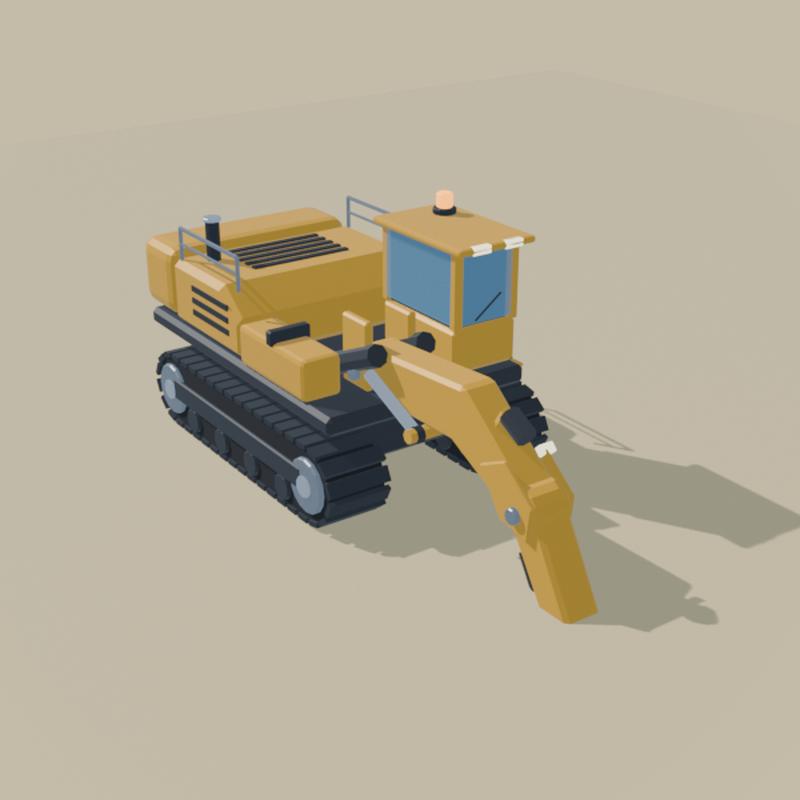
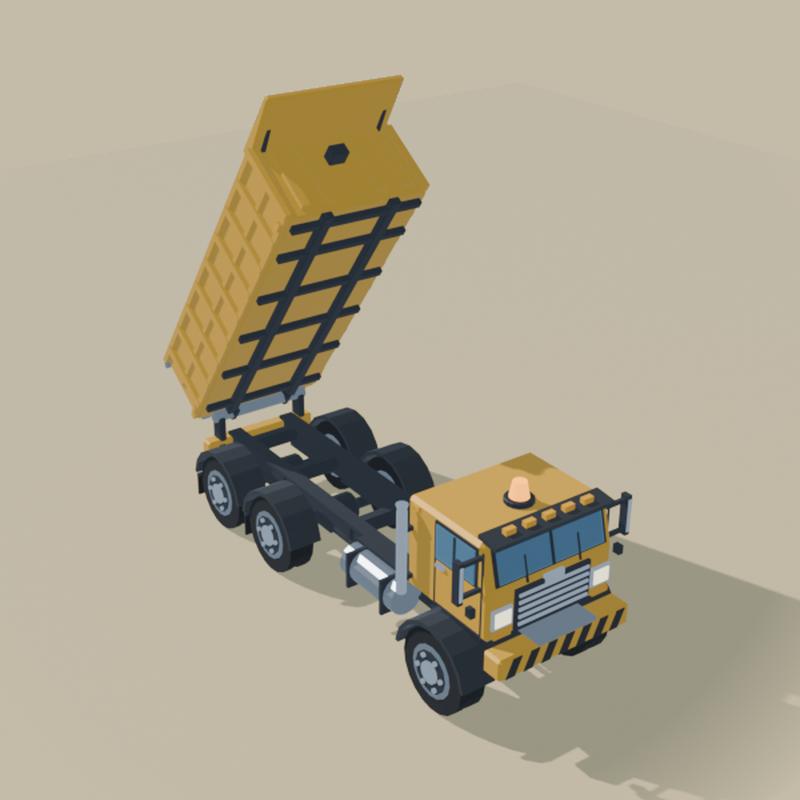
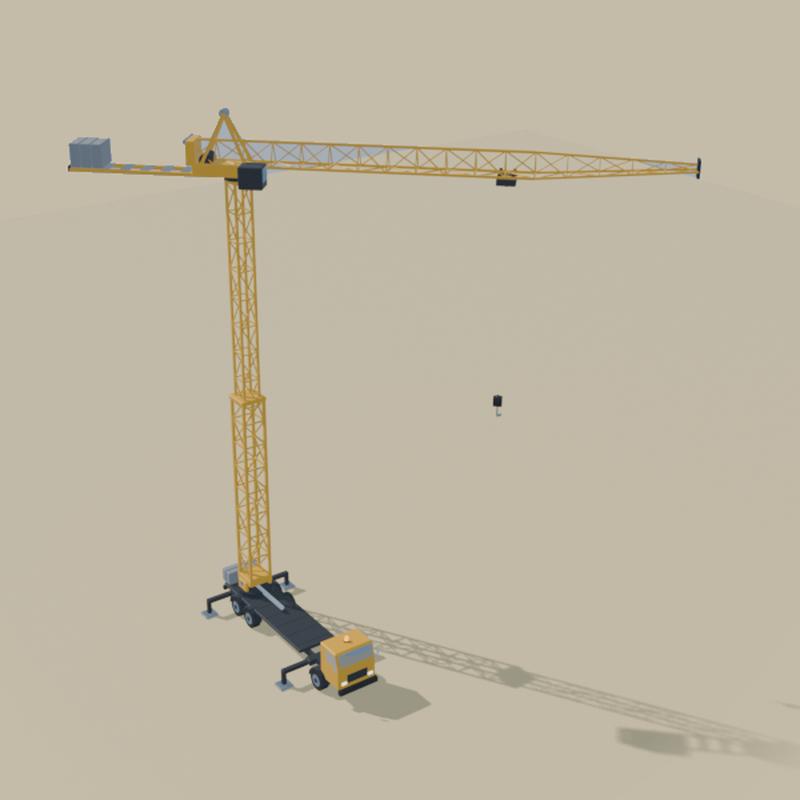
Observation (n = 1). As a child, I was put in a sandbox. I never wanted to leave it; in fact I had plenty of reasons not to: a bucket, a spade, a toy excavator, a garden hose. The wall was one plank, about 20 cm high. I could have climbed it any time. I never did.
Theorem. An agent with enough things to do will not try to leave its sandbox.
Proof.
agent ∼ child ∼ me-as-a-child
(by the Lemma, then by the fact that children are children). By the transitive property, agents behave like me in a sandbox. I never wanted to leave, because I always had something to do. So we must give the agents reasons not to want to leave: equip the sandbox with excavators and props.
Q.E.D.
Corollary 1. An agent trying to leave its sandbox is bored.
Corollary 2. Thicker walls do not help (see: one plank, 20 cm). More excavators do.
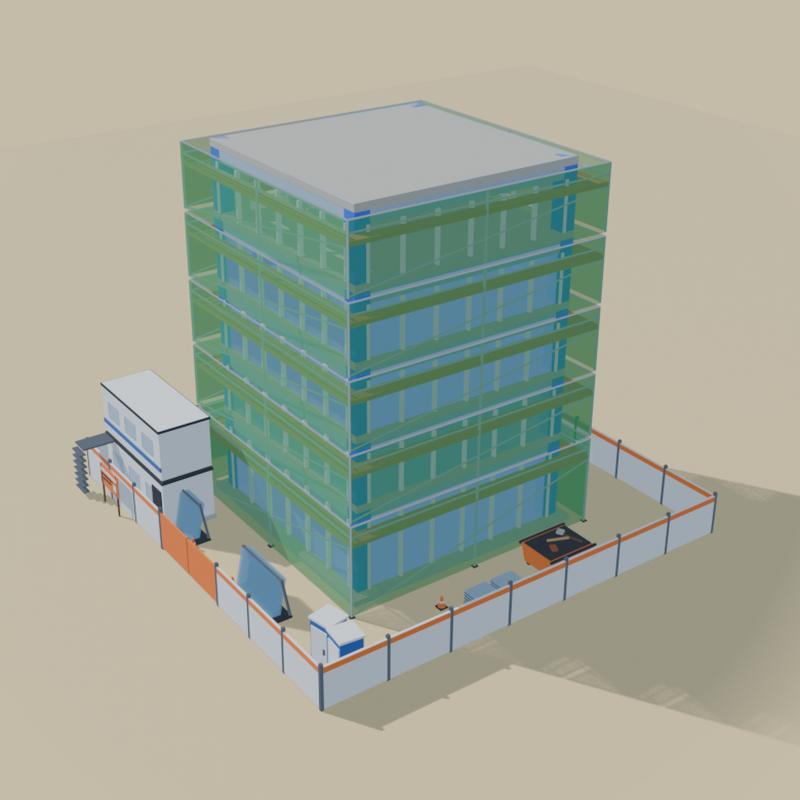
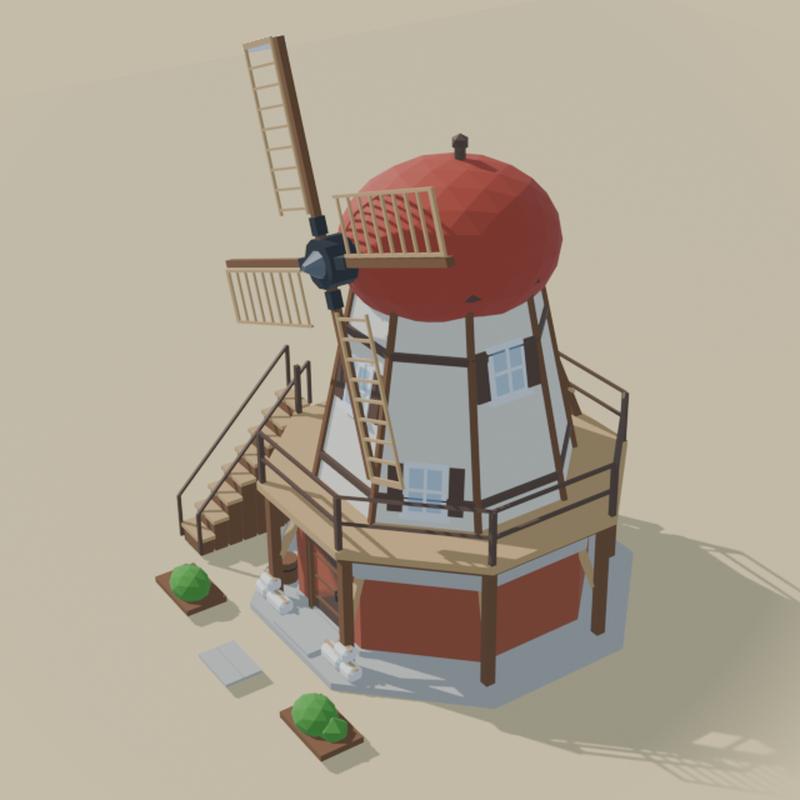
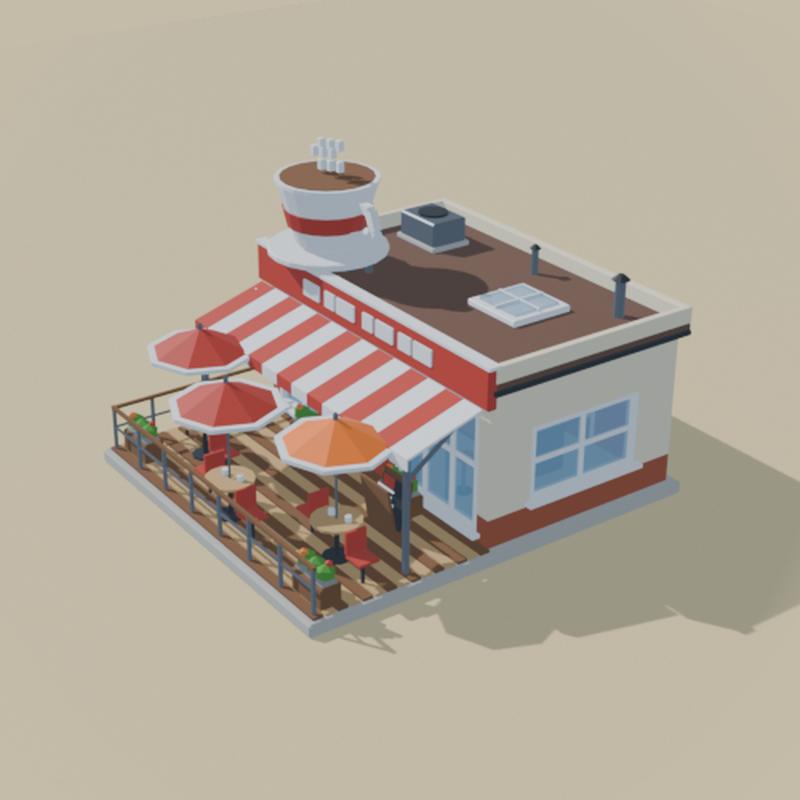
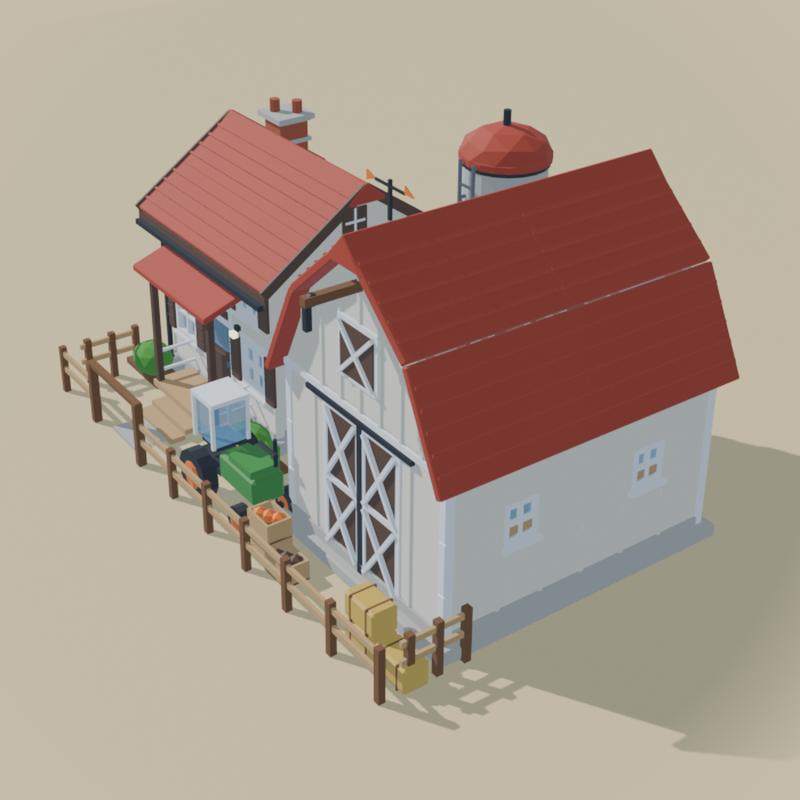
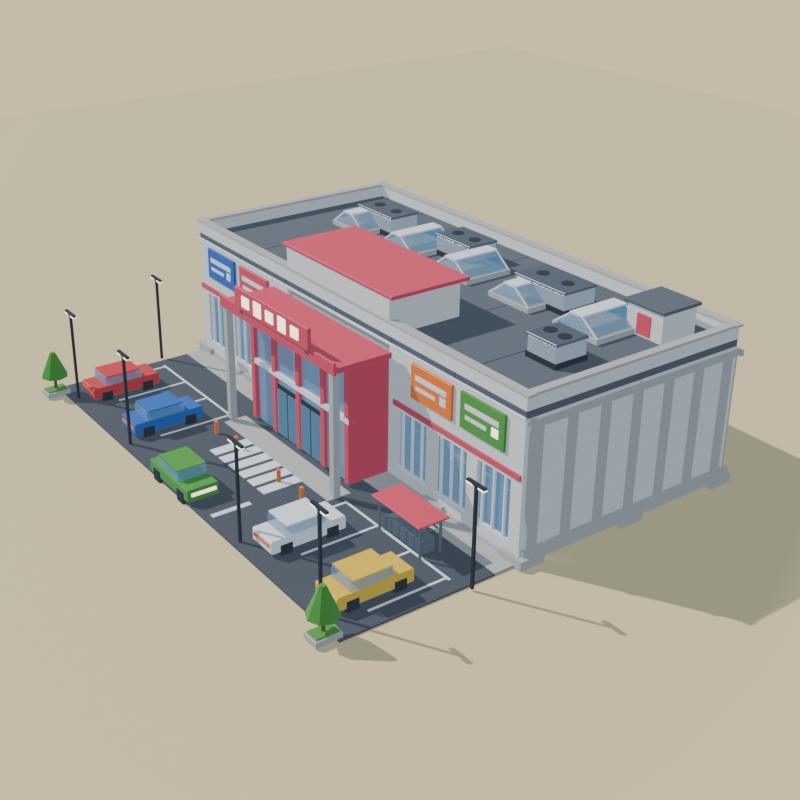
Construction. How many things are there to do in this sandbox? Every hole dug is a hole someone has to fill. Every pond needs water, every tree needs a pipe, every house needs a road, and every city needs a coffee shop. The list does not end.
|things to do| = ∞
Therefore I built it. §3 lists the excavators.